
Dental implants are safe for many adults, but they are not automatically appropriate for everyone. Safety depends on factors such as jawbone health, gum condition, medical history, tobacco use, medications, oral hygiene, and the ability to heal after surgery.
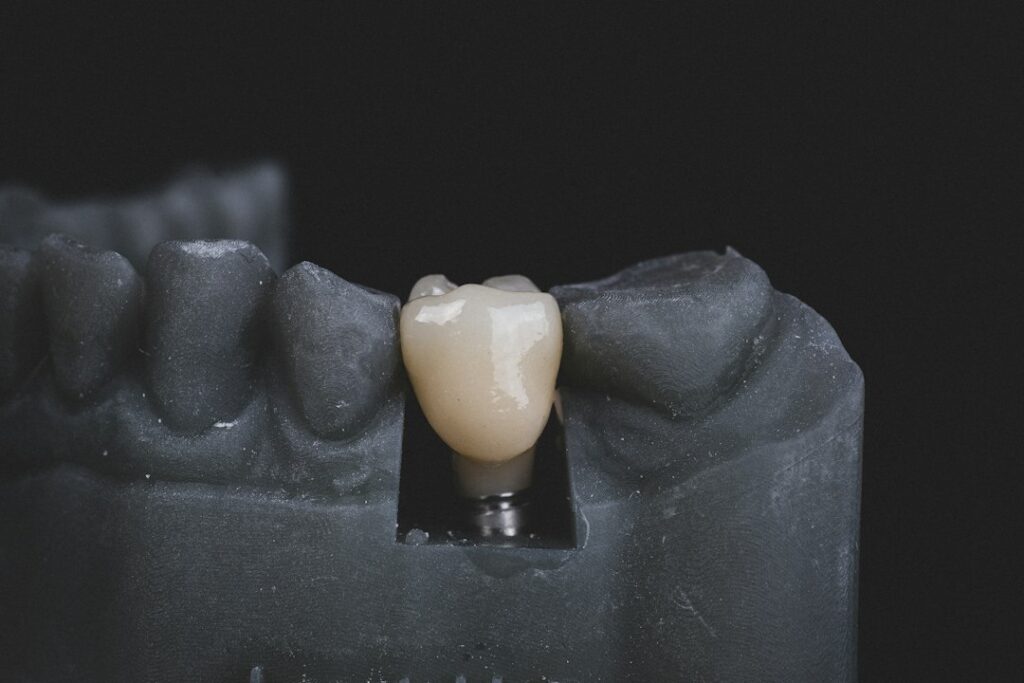
An implant is a small medical device placed in the jawbone to support a crown, bridge, or denture. Over time, the implant may bond with the surrounding bone, creating a stable foundation. Although the procedure has a strong safety record, it is still oral surgery and carries possible risks.
Who is usually a good candidate for dental implants?
Most suitable candidates have healthy or treatable gums, enough jawbone to support an implant, and medical conditions that are reasonably controlled. Adults of many ages can receive implants, including older adults, if their overall health and bone condition allow healing.
A person may be considered a possible candidate when they:
- Have one or more missing teeth
- Have fully developed jawbones
- Can maintain daily oral hygiene
- Have active gum disease under control
- Have enough bone volume, or may be able to receive bone rebuilding treatment
- Can safely undergo minor oral surgery
- Understand the healing period and long-term maintenance requirements
Age alone does not make implants unsafe. A healthy older adult may have fewer risks than a younger person with uncontrolled diabetes, severe gum disease, or heavy tobacco use.
Are dental implants safe for people with diabetes?
Often, yes—but blood sugar control matters. People with well-controlled diabetes can frequently have predictable implant outcomes. Poorly controlled diabetes may slow healing, raise infection risk, and increase the chance that the implant will not properly bond with the jawbone.
Before treatment, the relevant medical history may include recent blood sugar information, medications, healing problems, and previous infections. Implant treatment may need to be delayed when diabetes is unstable.
Diabetes can also increase the risk of gum disease, which is a separate concern. Even after an implant has healed, inflammation around the implant can damage supporting bone. Regular cleaning and monitoring are especially important for people with diabetes.
Does smoking make implants unsafe?
Smoking does not always make implants impossible, but it increases risk. Tobacco can reduce blood flow, interfere with healing, and make infection more likely. Smokers also face a higher risk of gum disease and inflammation around implants.
The risk may depend on how much and how often a person smokes, as well as whether other risk factors are present. A person who uses cigarettes, cigars, vaping products, or smokeless tobacco should discuss those habits before implant surgery. Nicotine exposure can be relevant even when a person does not smoke traditional cigarettes.
What medical conditions can affect implant safety?
Several conditions may change the timing, planning, or risk level of implant treatment. These include:
- Uncontrolled diabetes
- Active gum disease
- Conditions that weaken the immune system
- Bleeding disorders
- Poor bone healing
- Previous radiation treatment involving the jaws
- Certain medications that affect bone metabolism
- Severe teeth grinding or clenching
- Medical conditions that make surgery or anesthesia unusually risky
This does not mean a person with one of these conditions can never receive an implant. It means the risks need to be evaluated carefully. Medication changes should never be made independently, especially with blood thinners or medications used for bone conditions.
A complete list of prescription medicines, over-the-counter products, supplements, and medical conditions helps reduce avoidable complications.
Is having too little jawbone a safety problem?
Insufficient bone can make implant placement less predictable, but it is not always a permanent barrier. Jawbone can shrink after tooth loss, and the amount of available bone may also be affected by infection, injury, or the location of the missing tooth.
Imaging is used to evaluate bone height, width, and nearby structures. In some cases, bone grafting or another preparatory procedure may be considered. These procedures add time, cost, and healing requirements, so they are not automatically needed or appropriate for every patient.
The position of nerves, the sinus area, and neighboring teeth also matters. Careful planning helps reduce the risk of nerve irritation, sinus complications, or damage to nearby structures.
What are the main risks of dental implants?
Dental implant surgery is generally predictable, but complications can occur soon after placement or years later. Possible risks include:
- Pain, swelling, bruising, or infection
- Delayed healing
- Failure of the implant to bond with bone
- Injury to a nearby nerve, causing numbness or altered sensation
- Damage to nearby teeth or bone
- Sinus irritation or perforation in some upper-jaw cases
- Loosening of a screw or the implant itself
- Difficulty cleaning around the implant
- Inflammation and bone loss around the implant

A loose implant, persistent pain, swelling, pus, numbness, or a change in the way the teeth fit together should not be ignored. Early evaluation may help identify whether the issue involves the implant, the crown, the gums, or the surrounding bone.
Are dental implants safer than leaving a missing tooth alone?
Not always, and the answer depends on the location of the missing tooth and the person’s broader oral health. Leaving a gap can contribute to shifting teeth, changes in chewing, unwanted bite pressure, or gradual bone loss. However, an implant involves surgery and long-term maintenance.
Other options may include a removable partial denture, a fixed bridge, or no replacement. Each option has different effects on the neighboring teeth, bone, comfort, cleaning, durability, and cost. Safety is not determined by choosing an implant automatically; it is determined by matching the treatment to the patient’s needs and health.
Does Greenville’s climate affect implant safety?
Greenville’s hot summers and periods of dry weather do not directly make dental implants unsafe. However, dehydration, illness, and difficulty maintaining normal routines can affect recovery after oral surgery. Patients may need to pay attention to fluid intake, follow dietary instructions, and avoid strenuous activity during the early healing period.
Local residents who work outdoors, travel frequently, or have physically demanding schedules may need to plan recovery around heat exposure and activity. The surgical site should be protected from unnecessary irritation, and post-operative instructions should take priority over normal work or exercise routines.
How can a person reduce the chance of implant complications?
The most useful safety steps are established before surgery and continued afterward:
- Treat active gum disease before implant placement
- Keep diabetes and other chronic conditions under appropriate control
- Avoid tobacco and nicotine exposure during healing
- Provide a complete medical and medication history
- Follow eating, cleaning, and activity instructions
- Use gentle but thorough daily oral hygiene
- Attend recommended monitoring visits
- Avoid chewing hard foods on the implant until cleared
- Report looseness, persistent pain, bleeding, or swelling promptly
Dental implants are not maintenance-free replacements. The crown can wear, screws can loosen, and the tissues around the implant can become infected if plaque remains at the gumline.
The practical answer
Dental implants are safe for many people, but they are not safe for everyone under every circumstance. The strongest candidates generally have manageable medical conditions, healthy or treated gums, adequate bone support, and realistic expectations about surgery and maintenance.
A person with diabetes, a history of gum disease, limited bone, or tobacco exposure may still be eligible, but those factors can change the timing and level of risk. A careful review of health history, medications, imaging, gum condition, and healing ability is more reliable than age or appearance alone.