

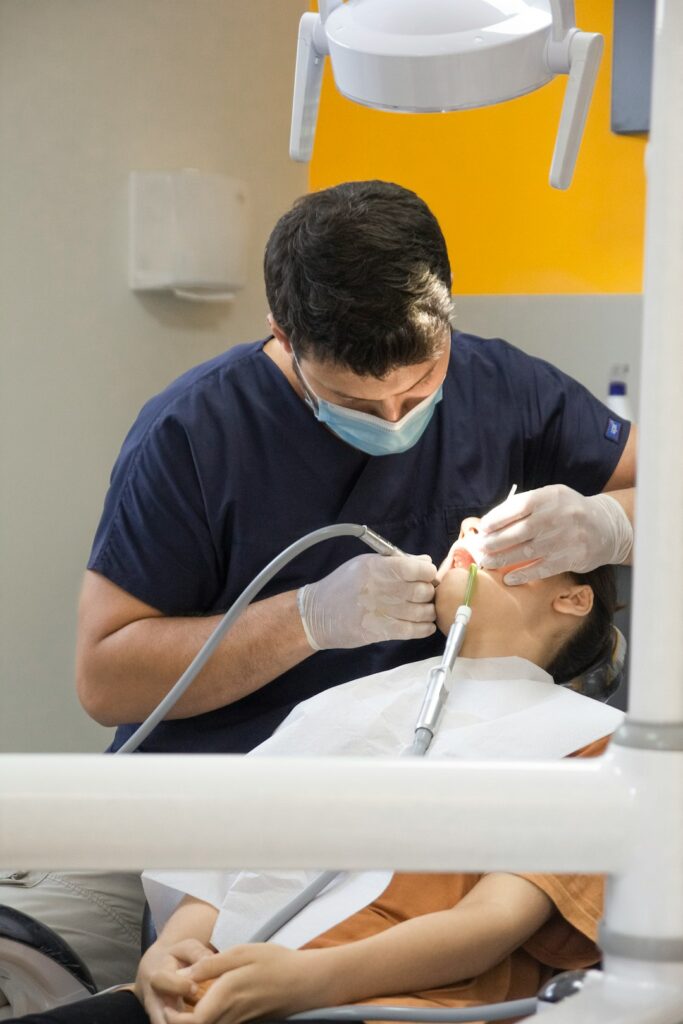
Dental implant treatment is usually completed in stages rather than during one long appointment. The process may include an examination, digital imaging, tooth removal or bone preparation, implant placement, a healing period, and attachment of the visible replacement tooth.
For residents of Greenville, TX, understanding the sequence can make the process easier to plan. The exact timeline depends on the number of teeth being replaced, the condition of the jawbone and gums, general health, and whether additional procedures are needed.
What happens before implant surgery?
The first stage is a detailed evaluation. The dental team reviews medical history, medications, allergies, smoking or tobacco use, previous dental treatment, and concerns about comfort or anesthesia.
Imaging is used to examine the jawbone and nearby structures. A three-dimensional scan may help determine:
- Whether enough bone is available
- The best position, angle, and size for the implant
- The location of nerves and other important anatomy
- Whether bone grafting or another preparatory procedure may be needed
A treatment plan should also address alternatives. Depending on the condition of the tooth and surrounding tissues, possible options may include a bridge, removable partial denture, conventional crown, or leaving the space untreated for a period of time.
Active gum disease, untreated decay, certain medical conditions, and inadequate bone may need attention before implant placement. Diabetes, immune-system concerns, tobacco use, and some medications can affect healing, so these factors should be discussed openly.
Is the tooth removed at the same time as the implant?
Sometimes, but not always. An implant may be placed immediately after a tooth is removed if the site is free of significant infection and the bone can provide adequate initial support. In other cases, the area needs time to heal before the implant is placed.
A bone graft may be recommended if the jaw has lost volume after tooth loss, infection, trauma, or long-term denture use. A graft can add several months to treatment because the area must develop enough strength for implant support.
Immediate placement does not always mean immediate function. Even when an implant is inserted on the same day as extraction, the permanent crown generally cannot be used normally until the implant has bonded securely with the surrounding bone.
What happens during implant placement?
On the day of surgery, the mouth is numbed with local anesthetic. Depending on the procedure and the patient’s needs, sedation may also be used. Instructions may include limiting food and drink beforehand, arranging transportation, and reviewing which medications to take or avoid.
After the area is prepared, a small opening is made in the gum, and a channel is created in the jawbone. The implant, which replaces the root of the missing tooth, is placed into that channel. The gum may be closed over the implant, or a small healing component may remain visible above the gum.
The procedure itself may be shorter than patients expect, particularly for a single implant. More extensive treatment involving several implants, extractions, grafting, or full-arch restoration takes longer.
Patients generally feel pressure, vibration, or movement rather than sharp pain during the procedure. If discomfort occurs, it should be reported immediately so the anesthetic or comfort plan can be adjusted.
What should be expected after surgery?
Swelling, tenderness, mild bleeding, bruising, and limited jaw opening are common after oral surgery. Symptoms may be most noticeable during the first few days and then gradually improve.
Postoperative instructions commonly include:
- Applying a cold pack during the first day as directed
- Eating soft foods and avoiding chewing directly over the surgical area
- Keeping the head elevated while resting
- Avoiding smoking or tobacco because it can interfere with healing
- Taking prescribed or recommended medication according to instructions
- Cleaning the mouth carefully without disturbing the surgical site
Greenville’s hot summers can make hydration especially relevant during recovery, but very hot foods and drinks may irritate the area during the early healing period. Cool or lukewarm fluids are often more comfortable, provided they fit the written instructions.
A ride home is usually necessary if sedation has been used. Even without sedation, it can be helpful to have someone nearby during the first several hours, particularly after multiple implants or extractions.
How long does an implant take to heal?
The implant must undergo osseointegration, a process in which bone grows closely around its surface. This commonly takes several months, although the timing varies by location, bone quality, health status, and the type of treatment.

During this period, a temporary tooth or removable appliance may be used in selected cases. A temporary restoration is not automatically designed for normal chewing. Biting hard foods too soon can place excessive force on an implant before it has stabilized.
Some carefully selected patients may receive a temporary or permanent restoration soon after implant placement. This is sometimes called immediate loading, but it is not appropriate for every implant site.
When is the permanent tooth attached?
After healing, the implant is connected to an abutment. The abutment is the component that links the implant beneath the gum to the crown, bridge, or denture above it.
The visible replacement is made to fit the space and coordinate with the surrounding teeth. The process may involve impressions or digital scans, bite measurements, shade selection, and one or more fitting visits.
A single implant usually supports one crown. Multiple implants may support a bridge or a removable denture. Full-arch treatment involves more planning because the bite, speech, cleaning access, and appearance of the entire arch must be considered.
What problems should be reported?
Some soreness and swelling are expected, but symptoms that worsen rather than improve deserve attention. Warning signs may include:
- Bleeding that does not slow with firm pressure
- Fever or chills
- Increasing swelling after the first several days
- Severe or worsening pain
- Pus, foul taste, or persistent bad odor
- Difficulty breathing or swallowing
- Numbness that does not resolve as expected
- A loose implant, healing component, or temporary restoration
Urgent breathing or swallowing problems require immediate medical attention. Medication reactions, uncontrolled bleeding, and rapidly expanding swelling should not be ignored.
Does an implant require special care afterward?
An implant cannot develop a cavity, but the gum and bone around it can become inflamed or infected. Daily brushing, cleaning between teeth, regular examinations, and attention to gum health remain necessary.
The final restoration can also wear, chip, loosen, or fracture over time. Biting ice, hard objects, or unusually tough foods may increase that risk. Night grinding may require additional protection, depending on the treatment plan.
The most useful expectation is that implant treatment is a healing process, not simply the placement of a replacement tooth. Careful planning, realistic timing, protection of the surgical site, and consistent maintenance all influence how comfortably the restoration functions over the long term.