

 See My Latest Article on HelloNation
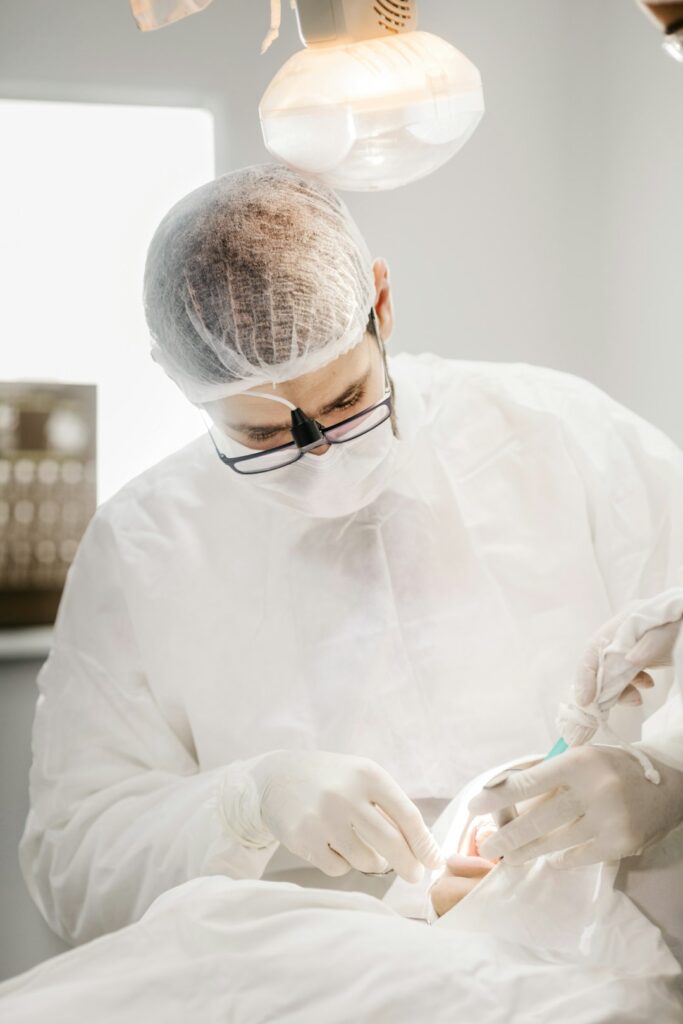
Dental implants are widely used to replace missing teeth, but many people still encounter confusing or exaggerated claims about them. Some myths make implants sound easier than they are, while others make treatment seem impossible for anyone with health concerns, bone loss, or a history of dental problems.
For residents of Greenville, TX, understanding what implants can and cannot do makes it easier to evaluate information, prepare realistic questions, and recognize when an online claim is oversimplified.
Myth: Dental implants are artificial teeth
Not exactly. A dental implant is usually a small post placed in the jawbone. It acts as a replacement for the root of a missing tooth. The visible replacement tooth, often called a crown, is attached after the implant has had time to bond with the surrounding bone.
A complete single-tooth implant commonly includes:
- The implant post beneath the gum
- An abutment that connects the post to the replacement tooth
- A custom crown that is visible above the gumline
This design helps the replacement tooth remain stable during chewing. An implant is therefore more than a replacement tooth sitting on top of the gums.
Myth: Implants last forever
Dental implants can last for many years, but “permanent” does not mean indestructible or guaranteed to last a lifetime. The implant post may remain functional for decades, while the crown or other visible components may eventually need repair or replacement because of normal wear.
Long-term results depend on several factors, including:
- Daily brushing and cleaning between teeth
- Regular dental examinations
- Gum and bone health
- Tobacco use
- Diabetes control
- Bite forces such as clenching or grinding
- The quality and quantity of bone at the treatment site
Implants can develop inflammation around the gums and supporting bone. This condition, often called peri-implant disease, may threaten stability if it is not addressed.
Myth: Dental implants are completely painless
Implant placement is performed with anesthesia, so pain during the procedure is generally controlled. Some soreness, swelling, bruising, or tenderness can occur afterward, particularly during the first few days.
Discomfort varies according to the number of implants, whether a tooth is removed at the same time, and whether bone-grafting procedures are needed. Many people describe the recovery as manageable, but that does not mean it is discomfort-free.
Following aftercare instructions is especially useful during hot weather. Staying hydrated, avoiding strenuous activity when advised, and choosing softer foods can make the early recovery period more comfortable. Persistent or worsening pain, fever, significant swelling, or drainage should not be treated as a normal part of healing.
Myth: Anyone can receive implants immediately after losing a tooth
Timing depends on the condition of the mouth and the reason the tooth was lost. Some implants can be placed soon after extraction, but others require healing first.
An evaluation may consider:
- Active gum infection
- The amount and shape of available bone
- The location of nearby nerves or sinus spaces
- The condition of neighboring teeth
- Smoking or nicotine use
- Medical conditions that affect healing
- Whether bone grafting is necessary
A recent extraction does not automatically mean immediate implant placement is appropriate. In some cases, waiting creates a healthier foundation.
Myth: Bone loss means implants are impossible
Bone loss can make implant treatment more complex, but it does not always rule it out. When a tooth has been missing for a long time, the jawbone in that area may gradually shrink because it no longer receives normal stimulation from a tooth root.
Depending on the location and severity of bone loss, treatment may involve:
- A bone-grafting procedure
- A longer healing period
- A different implant position or design
- A removable or fixed alternative
- A decision not to place an implant if the risks outweigh the benefits

Three-dimensional imaging is often used to evaluate bone width, height, and nearby anatomical structures. The key question is not simply whether bone loss exists, but whether the site can support a stable and cleanable restoration.
Myth: Older adults are too old for implants
Age alone is not usually the deciding factor. Overall health, healing capacity, medication use, oral hygiene, and the ability to maintain the restoration matter more than a specific birthday.
An older adult may be a reasonable candidate if health conditions are stable and daily care is realistic. At the same time, implants are not automatically appropriate for every older person. Frailty, uncontrolled medical disease, memory-related limitations, or difficulty maintaining oral hygiene may change the risk-benefit assessment.
The same principle applies to younger adults: being young does not guarantee success if there is untreated gum disease, poor oral hygiene, tobacco use, or inadequate bone support.
Myth: Diabetes or osteoporosis automatically prevents implant treatment
These conditions require careful planning but are not automatic exclusions. Poorly controlled diabetes can delay healing and increase the risk of complications. Once blood sugar is better managed, the situation may be different.
Osteoporosis also does not necessarily prevent implant placement. Bone quality, fracture risk, medication history, and the specific treatment site need to be considered. Certain medications used for bone health may require additional discussion because their effects on jaw healing can vary by drug, dose, and duration.
Medical history should include all prescriptions, injections, supplements, and previous treatments. Stopping a medication without medical guidance can create greater health risks.
Myth: Smoking only affects the lungs, not implants
Tobacco use can interfere with oral healing and reduce the blood supply needed for healthy gum and bone tissue. It is associated with a greater risk of implant complications, including poor integration with bone and inflammation around the implant.
Nicotine exposure may come from cigarettes, cigars, smokeless tobacco, or vaping products. These products are not equivalent in every way, but none should be assumed to be harmless during implant healing.
A history of smoking does not automatically settle the question of eligibility. It does mean that tobacco exposure should be discussed honestly before treatment and during recovery.
Myth: Implants require no special care
Implants cannot develop tooth decay in the same way natural teeth do, but the gums and bone around them can still become infected or inflamed. Food debris and bacterial plaque can collect around the crown, abutment, and gumline.
Care usually includes:
- Brushing twice daily with a soft-bristled toothbrush
- Cleaning between teeth and around the implant
- Monitoring for bleeding, swelling, looseness, or persistent bad taste
- Protecting the implant from excessive grinding forces
- Keeping regular dental examinations and cleanings
Warm, dry conditions common in the region can also contribute to dehydration and dry mouth for some residents. Reduced saliva may make plaque control more difficult, so water intake and attention to oral dryness can be practical parts of everyday care.
Myth: Dental implants are always better than bridges or dentures
Implants are one option, not a universal solution. A bridge may be more suitable when neighboring teeth already need crowns. A removable partial or complete denture may be more practical when several teeth are missing, bone support is limited, or surgery is not preferred.
The best choice depends on function, appearance, maintenance, medical factors, cost, timing, and personal comfort with surgery. A treatment described as “the best” without considering these details is usually incomplete.
Myth: A failed implant means the mouth can never be restored
An implant that does not integrate with bone or later develops a serious complication does not necessarily end all treatment possibilities. The site may need time to heal, and the reason for failure should be evaluated before another decision is made.
Possible contributing factors include infection, insufficient bone, excessive biting forces, smoking, poor cleaning, medical conditions, or an implant that did not bond properly with the bone. Sometimes another implant is possible after healing; in other cases, a bridge or denture may provide a safer solution.
The most reliable implant information is specific rather than absolute. Claims that implants are painless, last forever, require no maintenance, or are impossible for people with medical conditions should be treated cautiously. A realistic plan accounts for healing time, maintenance, health history, and alternatives.