

 See My Latest Article on HelloNation
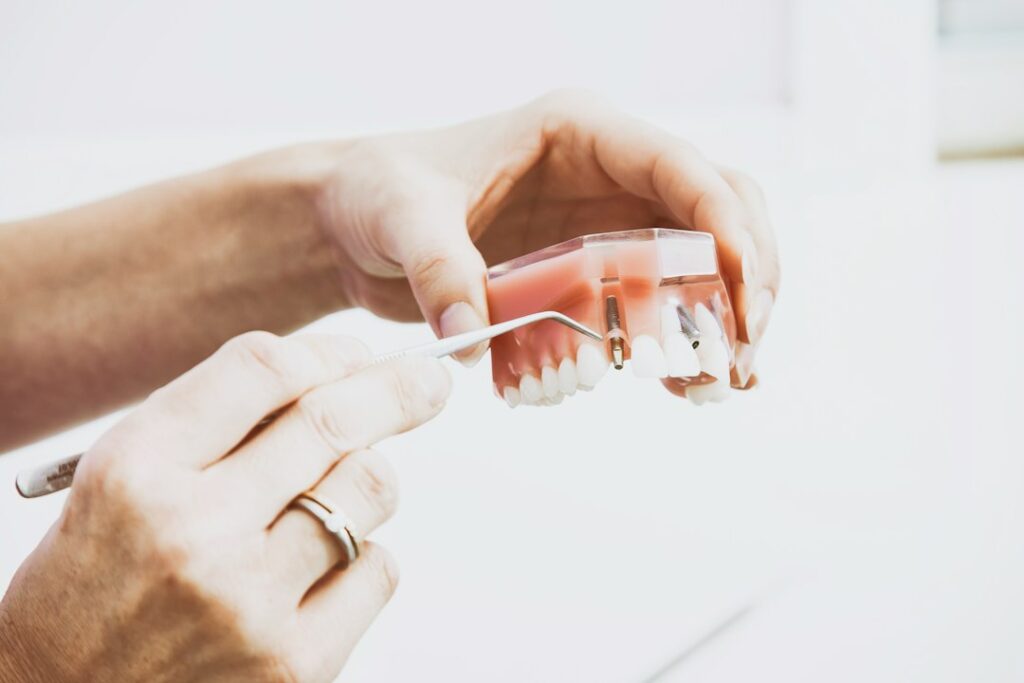
Dental implants can replace missing teeth, but they still require daily care. The implant itself is designed to join with the jawbone, while the visible crown, bridge, or denture can collect plaque and food debris much like natural teeth. Keeping the surrounding gums healthy is essential for comfort, function, and long-term stability.
How should dental implants be cleaned each day?
Dental implants should generally be brushed twice a day with a soft-bristled toothbrush and fluoride toothpaste. Use gentle pressure and angle the bristles toward the gumline, where plaque commonly gathers.
An electric toothbrush may help people who have difficulty cleaning thoroughly by hand, but a manual toothbrush can also work well when used consistently. Replace the brush head or toothbrush about every three to four months, or sooner if the bristles become worn.
Daily cleaning should include:
- Brushing all sides of the implant crown or bridge
- Cleaning along the gumline without scrubbing aggressively
- Cleaning between implants and natural teeth
- Removing food beneath a fixed bridge or around implant-supported dentures
- Following any special instructions provided after surgery or restoration
Dental implants do not develop cavities, but the nearby natural teeth still can. Plaque around an implant may also irritate the gums and contribute to inflammation around the implant.
What should be used between implants?
Interdental cleaning is often the part of implant care that requires the most attention. Regular floss may be useful in some areas, but implant spacing and restoration design can make other tools more effective.
Options may include:
- Implant-safe floss or floss threaders
- Small interdental brushes
- A water flosser used according to dental instructions
- Soft picks designed for cleaning between teeth
- Specialized brushes for areas beneath bridges
The correct tool depends on whether the implant supports a single crown, a bridge, or a removable denture. A brush that is too large can injure the gums, while a tool that is too small may not remove enough plaque. Cleaning should feel thorough but not painful or forceful.
How is care different immediately after implant surgery?
The first days and weeks after implant placement require special instructions. The surgical area may need to be left undisturbed at first, followed by gentle cleaning as healing progresses. The written instructions from the treating dental team should take priority over general advice.
Common early precautions may include:
- Avoiding vigorous rinsing during the first period recommended after surgery
- Choosing softer foods while the area heals
- Avoiding chewing directly over the surgical site
- Keeping fingers and objects away from the area
- Taking prescribed or recommended medication as directed
- Avoiding tobacco and nicotine, which can interfere with healing
Some swelling, tenderness, or mild bleeding may occur after surgery. Worsening pain, persistent bleeding, increasing swelling, fever, drainage, or a loose implant or temporary restoration should be reported promptly rather than managed with home care alone.
Can gums become infected around an implant?
Yes. Inflammation around an implant can begin in the soft tissue and may progress to involve the supporting bone. Early signs can include redness, tenderness, swelling, bleeding during cleaning, or an unpleasant taste.
A healthy implant area should not regularly bleed or feel sore. Bleeding is not something to ignore simply because the implant is artificial. The surrounding gum tissue still needs to remain clean and stable.
Regular examinations allow changes to be identified before they become more difficult to manage. The appropriate follow-up interval varies. Some people may need visits every three to six months, while others may need a different schedule based on gum health, cleaning ability, medical conditions, smoking history, or the type of restoration.

What habits can help implants last longer?
Daily hygiene is only one part of implant maintenance. Several habits affect the forces and conditions around an implant.
Avoid using implants to open packages, crack hard items, or bite objects such as pens. Repeatedly chewing ice or very hard foods can damage the crown or place excessive force on the implant restoration.
People who clench or grind their teeth may place additional stress on implants and natural teeth. Jaw soreness, worn teeth, chipped crowns, morning headaches, or a restoration that repeatedly loosens may indicate excessive biting forces. A night guard may be appropriate for some individuals, but it should be designed or recommended for the specific situation.
Tobacco use also raises concerns because it can impair healing and contribute to gum problems. Limiting tobacco and nicotine supports the health of both implants and natural teeth.
A balanced eating pattern is helpful as well. Sticky, sugary foods can increase plaque around the gumline and remaining teeth. In Greenville, TX, hot weather and outdoor activity may also make it easy to overlook hydration. Drinking water regularly can help relieve dry-mouth symptoms, which may otherwise make plaque and food debris more difficult to manage.
Do implant-supported dentures need separate cleaning?
Yes. Removable implant-supported dentures should be taken out and cleaned according to the instructions provided for the restoration. The denture, attachment areas, tongue, gums, and spaces around the implants all need attention.
Do not use very hot water unless specifically instructed, because heat can distort some denture materials. Clean the underside carefully, since this is where food and plaque may accumulate. The mouth should also be cleaned before the denture is put back in.
Unless a dental team gives different instructions, removable appliances are often removed at night to allow the tissues to rest. They should be stored safely and kept moist when required by the appliance instructions.
When should an implant be checked?
Prompt evaluation is appropriate for:
- New or persistent bleeding around an implant
- Redness, swelling, pus, or a bad taste
- Pain that does not improve or returns after a period of comfort
- A crown, bridge, denture, or implant that feels loose
- Changes in the way the teeth fit together
- Difficulty chewing that was not present before
- Numbness, fever, or significant facial swelling
A loose crown is not necessarily the same as a loose implant, but the difference cannot be determined reliably at home. Avoid chewing on the area until it has been assessed, especially if movement is noticeable.
How can local residents make implant care easier?
A practical routine is more sustainable than occasional intensive cleaning. Keeping a toothbrush, interdental tool, and any appliance-cleaning supplies together can make care easier during busy mornings or after outdoor activities. Water should be available during hot days, particularly for people who experience dry mouth from medications or other health conditions.
The goal is not to scrub harder. It is to remove plaque gently and consistently while paying attention to changes in the gums, restoration, and bite. With appropriate home care and periodic monitoring, implant patients can protect the tissues that support their replacement teeth while continuing to care for the natural teeth that remain.