

 See My Latest Article on HelloNation
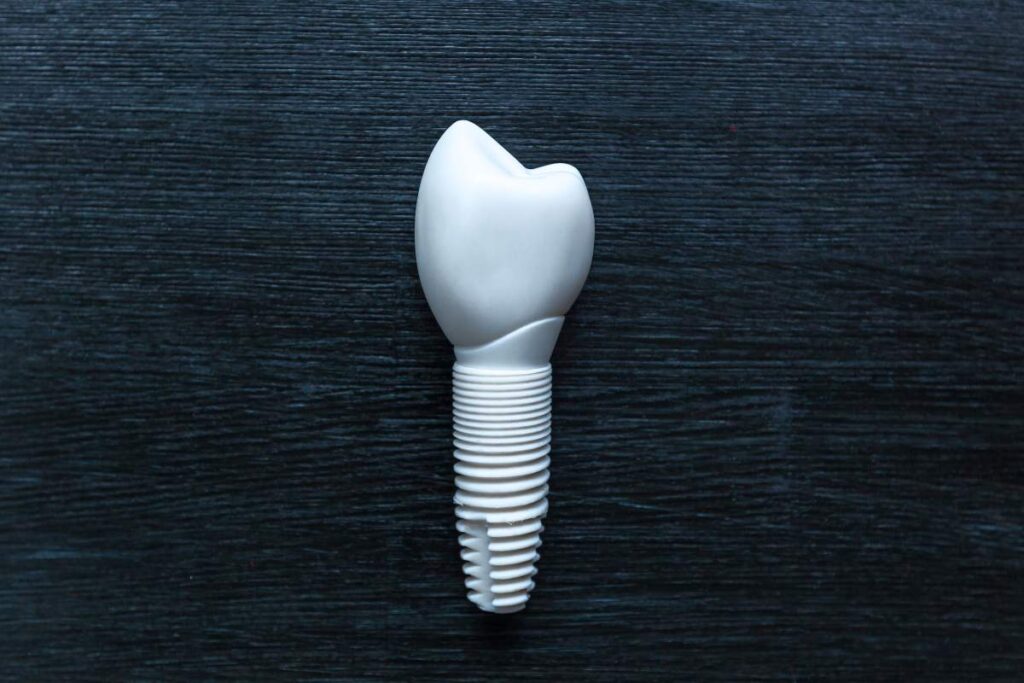
Dental implant healing happens in stages, and each stage involves different changes in the gums, jawbone, and surrounding tissues. Although the visible gum tissue may feel better within a week or two, the deeper bone-healing process usually takes several months.
The exact timeline varies based on the number of implants, bone quality, surgical technique, overall health, smoking status, and whether bone grafting or tooth removal is part of the treatment.
What happens immediately after implant surgery?
The first stage is the body’s initial response to surgery. Mild bleeding, tenderness, swelling, bruising, and a feeling of pressure around the site can occur during the first several days.
Swelling often reaches its highest point around 24 to 48 hours after surgery before gradually improving. Discomfort is usually most noticeable during the first few days and may continue for about a week, although individual experiences differ.
During this period, the implant is not yet firmly joined to the jawbone. It is being protected while the incision begins to close and the surrounding tissues start repairing themselves.
Typical early instructions may include:
- Eating softer foods for a short period
- Avoiding chewing directly over the surgical site
- Keeping physical activity lighter during the first day or two
- Applying a wrapped cold pack as directed
- Taking prescribed or recommended medication according to instructions
- Avoiding smoking and tobacco, which can interfere with healing
- Keeping the mouth clean without disturbing the wound
Households in Greenville may need to plan around outdoor work, sports, or other activities during hot weather. Heat, exertion, and dehydration can make the early recovery period less comfortable, so adequate fluids and rest are practical precautions.
How long do the gums take to heal?
The gum tissue commonly begins sealing and stabilizing within one to two weeks. Stitches may be removed during this period, or they may dissolve on their own depending on the surgical plan.
A gum incision can look improved before the implant is ready to support a permanent crown, bridge, or denture. This difference is easy to misunderstand. Less soreness does not necessarily mean that the implant has completed its deeper healing.
Follow-up visits allow the dental team to check for:
- Persistent swelling or drainage
- Signs of infection
- Wound closure
- Irritation from a temporary denture or appliance
- Proper cleaning around the surgical area
- Stitch removal, if needed
The gum may remain sensitive to brushing, pressure, or certain foods for a while. Cleaning instructions should be followed carefully because plaque buildup around a healing implant can irritate the tissues.
What is osseointegration, and why does it take months?
Osseointegration is the process in which living bone grows closely around the implant surface and creates a stable foundation. This is the central healing stage of implant treatment.
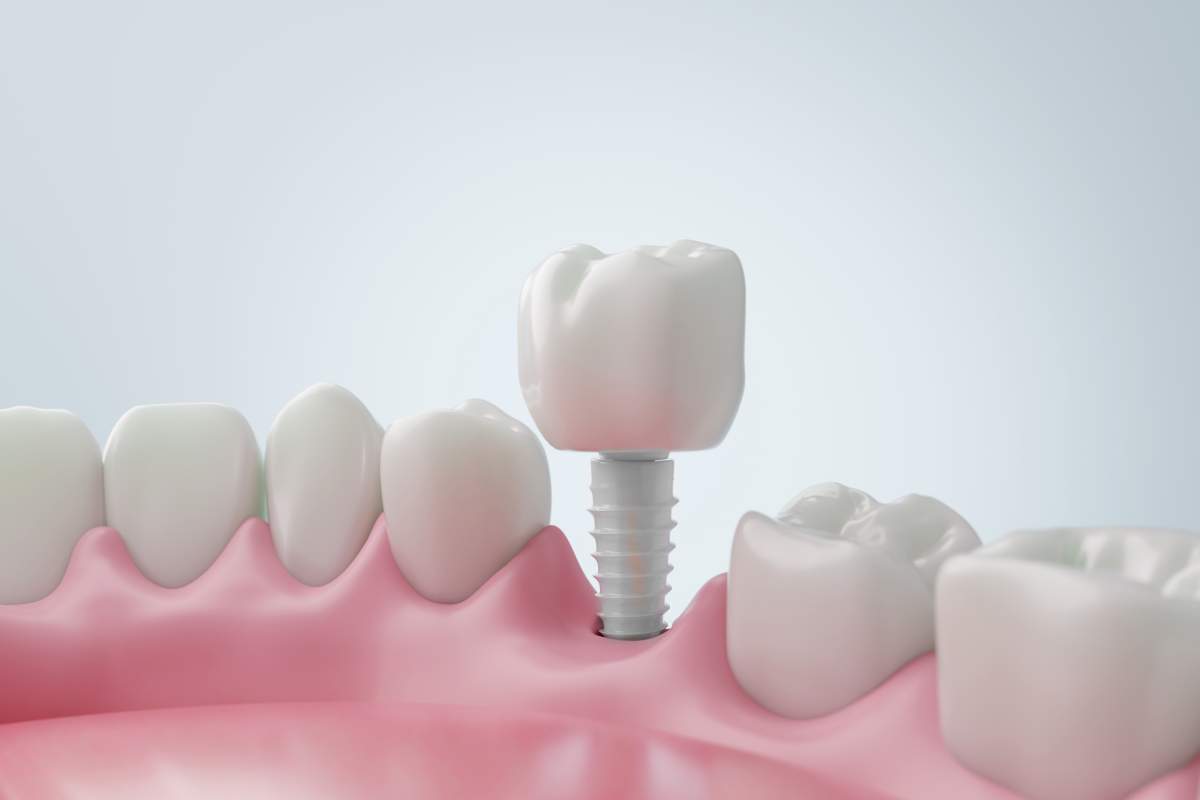
The implant is designed to replace the root portion of a missing tooth. A crown or other restoration is attached later, after the implant has become stable enough to handle normal biting forces.
Osseointegration often takes about two to six months. Some cases require longer. The lower jaw may heal at a different pace from the upper jaw, and implants placed into softer bone may need additional time before restoration.
Several factors can affect this stage:
- The amount and density of available bone
- The implant’s location
- Whether bone grafting was required
- Smoking or nicotine exposure
- Uncontrolled diabetes
- Active gum disease
- Certain medications or medical conditions
- Excessive pressure on the implant during healing
A temporary tooth may be used in selected cases, but a temporary restoration does not mean the implant has finished integrating with the bone.
Does bone grafting change the healing timeline?
Often, yes. A bone graft may be recommended when the jaw does not have enough width, height, or density to support an implant safely.
Sometimes the graft is placed before the implant, creating a separate healing period that may last several months. In other situations, grafting and implant placement are performed during the same procedure.
The timing depends on the size of the graft, the condition of the jawbone, the implant location, and how the body responds. A grafted site may feel healed on the surface while the new bone is still maturing underneath.
What happens after the implant has healed?
Once the implant appears stable, the next stage is usually restorative treatment. If the implant was covered by gum tissue, a minor procedure may be used to expose it and place a healing cap.
The gums then need time to shape around the implant. This helps create a natural-looking transition between the future crown and the surrounding tissue.
The restorative phase may include:
- Checking implant stability
- Placing an abutment, which connects the implant to the restoration
- Taking digital scans or impressions
- Using a temporary crown in some cases
- Allowing the gum to settle
- Attaching the final crown, bridge, or denture
After an abutment is placed, the gum may need at least a couple of weeks to heal before the final tooth is attached. More complicated cases can take longer and may involve several visits.
What symptoms are normal, and what should be checked?
Some soreness, mild swelling, and temporary tenderness are expected after surgery. Symptoms should generally trend toward improvement rather than becoming steadily worse.
Prompt dental evaluation is appropriate if there is:
- Pain that intensifies after several days
- Swelling that continues increasing
- Fever or chills
- Pus, foul taste, or persistent drainage
- Bleeding that does not slow with firm pressure
- Numbness that persists or worsens
- An implant or temporary restoration that feels loose
- Difficulty swallowing or breathing
A loose implant during the healing period should not be ignored. Stability is essential for successful bone integration, and chewing on the area can place unwanted stress on the site.
How can healing be protected?
The most useful habits are simple but consistent. Follow the specific cleaning and diet instructions provided for the procedure, attend planned follow-up visits, and avoid testing the implant by biting hard foods too soon.
Good general health also supports recovery. Controlling blood sugar, managing gum disease, maintaining adequate nutrition, and avoiding tobacco can all matter. A hot, dry season can make hydration especially relevant for local residents, but water should not replace prescribed care or follow-up.
Long-term implant care continues after the crown is placed. Dental implants cannot develop cavities in the same way natural teeth do, but the surrounding gums and bone can become inflamed if plaque accumulates. Daily cleaning and regular examinations help identify problems before they threaten implant support.
The key distinction is that dental implant healing has both a short-term soft-tissue phase and a longer bone-integration phase. The gums may look comfortable within weeks, while the jawbone continues strengthening for months.